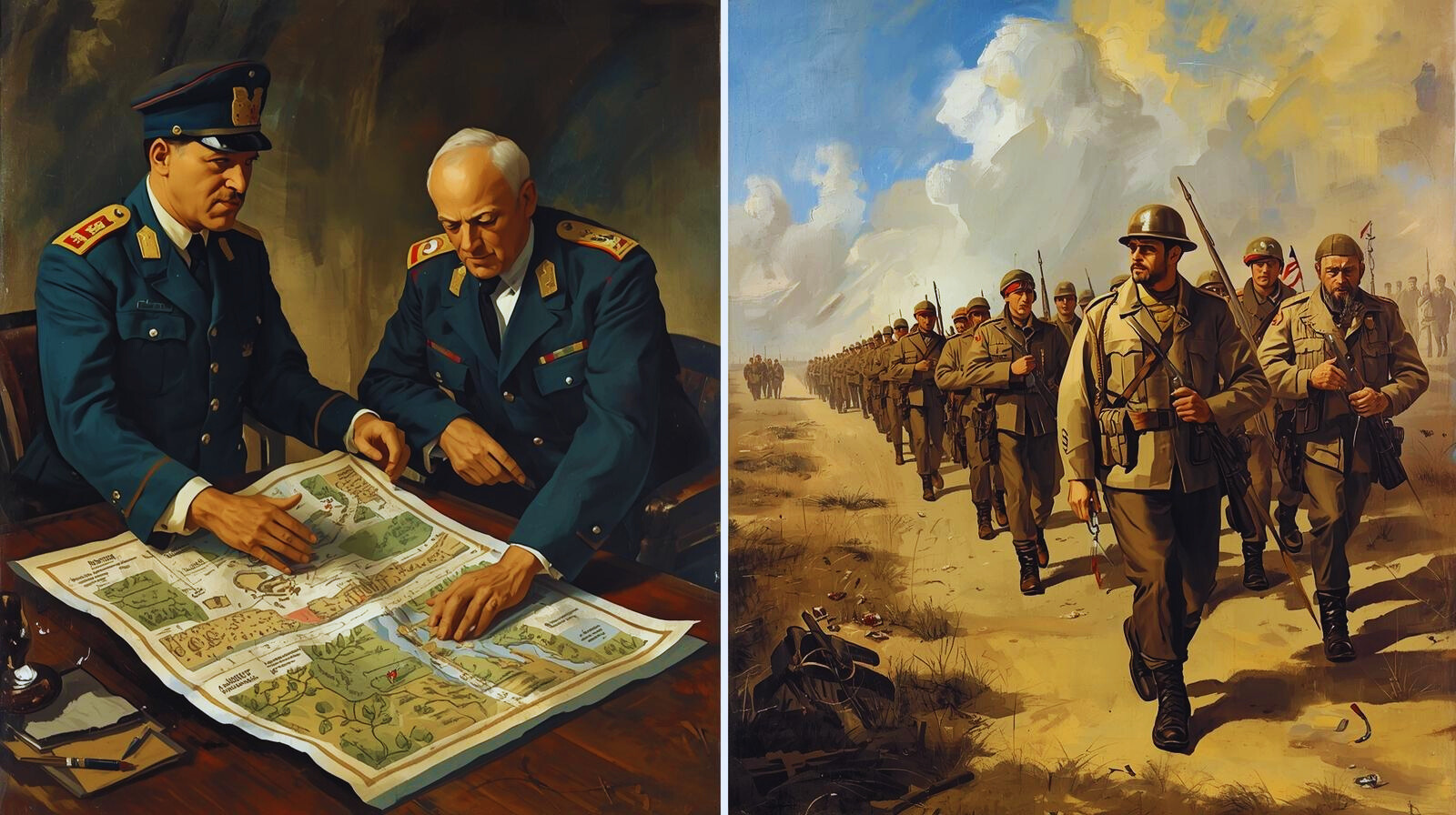
We are living in an era of “No business, No digital.” In this holistic and ultra-fast environment, many HR functions are already handled by DX and AI. Yet among all HR roles, it is the HRBP that faces the greatest transformation challenge.
The spread of People Analytics has made it possible to visualize aspects of employees’ inner work lives that were previously invisible, displaying them on dashboards. Business leaders now can objectively evaluate what they once followed blindly — the opinions and judgments of HRBPs.
Historically, HRBPs functioned as the “hands and feet” of business leaders. They played the role of strategy executor when necessary, became trusted supporters in times of need, and often served as reliable one-stop solution providers for organization members. As long as these contributions led to business success, this approach was considered valid. Many HRBPs were even respected as “Gurus,” trusted leaders in HR and organizational matters. Indeed, many successful HR executives began their careers as HRBPs.
But in the DX–AI era, expectations are shifting — from “Guru” to “Coefficient & Catalyst.” Technology now demands new forms of accountability from business leaders, and that demand is reshaping the role of HRBPs.
The Guru-style HRBP typically jumps into gaps when systems or leaders fail, taking on firefighting, patching, and manual transactions. In the short term, this creates reassurance for leaders and employees, who come to rely on HR to fix problems directly. Yet in the long run, the HRBP is seen more as a player than a partner. Its strategic credibility declines, it risks being perceived as a helper rather than an advisor, and the organization’s DX investments are undermined as HRBPs revert to manual work. Some ambitious HRBPs may still prefer this “Guru” style, but at the organizational level, it generates fragility, eroding HR’s core value as the keystone of governance.
By contrast, the Coefficient & Catalyst HRBP multiplies the impact of leaders and systems, accelerates digital adoption, and ensures human-centric guardrails of compliance, fairness, and brand. In the short term, such HRBPs help leaders interpret dashboards, align people moves with business strategy, and manage change effectively. In the long term, they protect the brand by linking data with human judgment, strengthening governance by preventing the misuse of digital outputs, and securing HR’s position as a strategic agent rather than a back-office rescuer.
In the era of digitalization — especially as People Analytics becomes pervasive — HRBPs can no longer survive as Gurus. Guru behavior fragments the enterprise and weakens its core brand value. Companies cannot afford such fragility in a DX–AI environment, and this shift may even alter the career paths of future HR leaders, including those aspiring to EVP roles.
The true role of HRBPs is to be Coefficients & Catalysts: the organizational core where people and business converge, multiplying the power of digital systems and business leaders while safeguarding the enterprise’s HR principles, brand premise, and culture. (Originally posted on LinkedIn on 2025-09-10)
About Errand Consulting
Errand Consulting explores organizational transformation
through the ERR& Philosophy.
Learn more → www.hrfd3.com
デジタル・セントリック時代にHRBPはどう生き残るか:Guruか、それともCoefficient & Catalystか?
デジタルビジネスの世界に生きる
私たちは「No business, No digital(デジタルなくしてビジネスなし)」という時代に生きています。 この全方位的で超高速の環境において、多くのHR機能はすでにDXやAIによって処理されています。 しかし、数あるHRの役割の中でも、最も大きな変革の課題に直面しているのは HRBP だと言えるでしょう。
People Analyticsの浸透によって、これまで可視化されなかった従業員の内面的な側面までダッシュボード上に表されるようになりました。 ビジネスリーダーは、これまで盲目的に従ってきたHRBPの意見や判断を、客観的に評価する手段を手に入れたのです。
歴史的にHRBPは、ビジネスリーダーの「手足」として機能してきました。 必要に応じて戦略実行者となり、時には信頼できる支援者となり、多くの場合は組織メンバーにとって信頼できるワンストップの解決窓口として振る舞ってきました。 これらの貢献がビジネスの成功につながっている限り、このやり方は正しいものと見なされてきました。 多くのHRBPは「Guru(導き手)」として尊敬され、人事や組織における信頼されるリーダーと見なされてきたのです。 実際、多くの成功した人事エグゼクティブが、HRBPとしてキャリアをスタートさせています。
しかしDX・AI時代において、その期待は 「Guru」から「Coefficient & Catalyst」 へと移ろうとしています。 テクノロジーは、ビジネスリーダーに新しい形での説明責任を求めるようになり、その変化がHRBPの役割を再定義しているのです。
Guru型HRBPは、システムやリーダーが機能しないときに隙間に飛び込み、火消しや穴埋め、手作業の処理を行う傾向があります。 短期的には、リーダーや従業員は「HRが何とかしてくれる」と安心感を覚えます。 しかし長期的には、HRBPはパートナーではなくプレイヤーとして見られるようになり、戦略的な信頼性は低下します。 「必要な時に手を貸す助っ人であり、アドバイザーではない」という評価を受けやすくなり、さらにDXへの投資は、HRBPが再び手作業に戻ることで無駄になってしまいます。 一部の野心的なHRBPは依然としてこの「Guru」型を好むかもしれませんが、行動のインパクトが個人に依存するため組織全体のレベルでは脆弱性を生み出し、ガバナンスの要としてのHRのコアバリューを失わせることになるのです。
一方で、変化促進型(Coefficient & Catalyst)型のHRBPは、リーダーやシステムの効果を増幅し、デジタルツールの導入を加速させ、コンプライアンス・公平性・ブランドといった人間中心のガードレールを確保します。 短期的には、リーダーがダッシュボードを解釈し、人材戦略と整合させ、変革を管理することを支援します。 長期的には、データと人間の判断を結びつけることでブランドを守り、DXの誤用を防いでガバナンスを強化し、HRをバックオフィスの救済者ではなく、戦略的なエージェントとして位置づけ続けます。
デジタル化が進み、特にPeople Analyticsが普及する時代において、HRBPはもはや「Guru」としては生き残れません。 「Guru」的な行動は組織を分断し、コアブランドの価値を弱めます。 企業はDX–AI環境下でこのような脆弱性を抱える余裕はなく、この変化は将来的にHRリーダーのキャリアパス、特にEVPを目指す人材にまで影響を与えるかもしれません。
HRBPの真の役割は、Coefficient & Catalyst となることです。すなわち、人とビジネスが融合する組織のコアとして、デジタルシステムとビジネスリーダーの力を増幅させつつ、企業の HRの基本原則・ブランド基盤・カルチャー を守る存在なのです。
About Errand Consulting
Errand Consulting explores organizational transformation
through the ERR& Philosophy.
Learn more → www.hrfd3.com


コメント