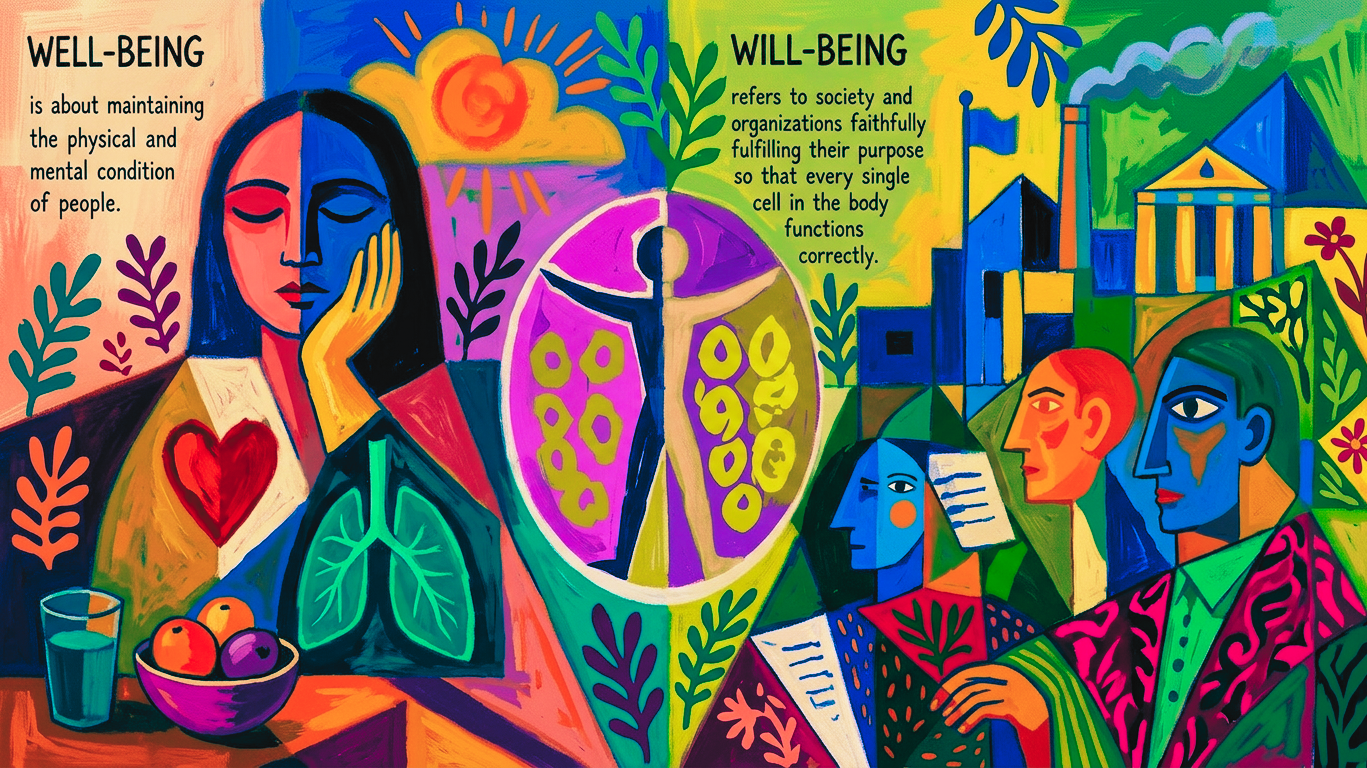
“Well-being” supports people’s condition. “Will-being” strengthens the organization’s strategic execution.
Spain achieved a remarkable victory at the 2026 FIFA World Cup.
The quality of each individual player.
The accuracy of the manager’s tactical judgment.
And the discipline required to execute that strategy consistently as a team.
Accuracy & Patience.
This is not an expression that came to mind for the first time while watching Spain.
I still remember hearing Steve Young use these words during the television coverage of Super Bowl XLIV in 2010, when the New Orleans Saints defeated the Indianapolis Colts led by Peyton Manning.
Drew Brees and the Saints’ offense executed the plays called by their offensive coordinator accurately and without losing their composure.
The Colts, meanwhile, responded through Manning’s no-huddle offense. Manning read the defense and adjusted the plays on the field.
One team precisely executed plays designed for the organization.
The other relied on an exceptional individual to read the situation and coordinate the entire organization in real time.
Both represented highly advanced forms of offense.
However, when a team does not want to depend entirely on the judgment of one exceptional individual, it needs every player to understand their role and timing.
That requires Accuracy & Patience.
I believe Spain demonstrated these two qualities at the highest level.
Of course, behind the players were many support professionals working to manage their physical condition, fatigue, sleep, nutrition, and recovery.
No matter how sophisticated the strategy may be, a team cannot perform at its best unless its players are sufficiently prepared to compete.
The same applies to Well-being in a company.
Creating an environment in which employees can remain healthy, feel secure, and continue working sustainably is an essential condition of organizational management.
Many companies have therefore positioned Well-being as one of the pillars of Employer Branding and entrusted its promotion to HR.
A company where people can work comfortably.
A company that values its employees.
A company where people can feel secure about staying for the long term.
These qualities have given employees reasons to remain with their organizations.
Particularly since the COVID-19 pandemic, when employee retention became an urgent priority, these HR policies have been highly effective.
However, as DX-AI begins to transform how work is performed, how organizational roles are defined, and which capabilities are required, HR policies centered on Well-being may also be reaching a turning point.
This does not mean that Well-being is becoming less important.
It means that HR is once again being asked to fulfill responsibilities that Well-being alone cannot explain.
In the middle of business execution, how often do employees consciously think about their own Well-being?
On the other hand, consider the following situations.
People know who is responsible for making a decision.
When someone moves forward, another person supports the space behind them.
When a problem arises, the appropriate person to consult is clear.
Even when someone is absent, the organization can continue operating.
People understand the boundaries of their roles and when responsibility should be handed over to someone else.
There may be many moments in everyday business when these conditions allow employees to feel:
“I can work with confidence in this organization.”
We would like to call this state Will-being.
Here, we use the word Will in two ways.
The first is the willingness to fulfill one’s role.
The second is the perspective represented by the question:
What will happen next?
Will-being does not mean asking employees to work harder or demonstrate greater personal commitment.
It is an organizational state in which people anticipate what may happen next, maintain the right roles and distances, and act before a problem enters a critical zone.
One of Spain’s defining strengths at the World Cup was its overwhelming defensive capability as a team.
Its defense did not depend on the last defender repeatedly stopping opponents through individual skill in dangerous areas.
When one player pressed an opponent, another covered the space behind.
When one player moved forward, the surrounding players adjusted their distances.
Rather than rushing back after losing possession, they had already anticipated the possibility and positioned themselves for what might happen next.
Spain did not merely have a defensive strategy.
The entire team executed it accurately.
That was Accuracy.
At the same time, players did not abandon their positions in panic when confronted by an opponent’s individual skill.
They maintained the team’s structure.
They trusted one another’s roles.
And they waited for the right moment to move.
That was Patience.
This allowed Spain to reduce the options available to opponents before they entered dangerous areas, even against teams such as France and Argentina, whose players were capable of changing a match through individual brilliance.
From what I observed, Spain rarely needed to rely on desperate fouls in the most dangerous areas to stop its opponents.
This was not simply a matter of having excellent defensive players.
The organization was functioning completely.
The same is true of corporate organizations.
When a company appears to collapse suddenly, the final symptoms may take the form of a rapid decline in profitability, corporate misconduct, or a serious quality problem.
However, these are the final goals conceded.
They are not where the collapse began.
Organizational collapse often begins when the company fails to deal collectively with small warning signs that have existed for some time.
An employee had noticed something unusual.
A manager was aware of part of the problem.
Another function possessed related information.
But it was not clear who was responsible for stopping it.
No one covered the space left behind when someone moved forward.
The organization had not agreed on who should decide or to whom the issue should be handed over.
Only after the problem entered a critical zone did HR, Legal, Internal Audit, and management begin their emergency response.
In football terms, the opponent had already entered the area near the penalty box, leaving the final defender with no option other than committing a foul.
Corporate defense does not mean creating more rules.
It means positioning the organization in advance so that people are not forced to make dangerous decisions in the first place.
HR cannot directly teach the offense of a business.
HR may control the training budget intended to support it.
However:
Which customers should the company pursue?
Which products should it create?
Which markets should it enter?
How should employees use their experience and judgment to create value?
The final decisions and execution belong to the business and the people working within it.
HR cannot teach everyone how to score.
But defense must be taught as an organizational capability.
Who is responsible for watching which risks?
Which warning signs must not be overlooked?
At what point should a problem be shared?
Who makes the decision, and who provides support?
When one person moves forward, who covers the space behind?
How far should someone respond independently, and when should responsibility be transferred to another person or function?
These things do not happen naturally.
They must be designed, taught, executed, and repeatedly reviewed as an organization.
This is where the essential role of Strategic HR lies.
Maintaining Well-being remains important.
For management, creating an environment in which members of the organization can work each day with a sense of fulfillment must never be neglected.
However, Well-being establishes the conditions that allow individuals to continue working.
It does not determine who should identify a change in the business, which HR function should receive that information, or who should initiate the next action.
When these connections have not been designed organizationally, HRBPs are left to fill the gaps through their own individual judgment.
A highly capable HRBP may read changes in the business, anticipate talent risks, advise business leaders, and personally connect recruitment, deployment, development, compensation, and employee relations.
The organization may function as long as that HRBP remains in place.
However, when that person changes roles, takes on a broader scope, or makes an incorrect judgment, those connections may disappear.
That is not Strategic HR.
It simply means that the organization has an HRBP capable of acting strategically.
A highly capable HRBP may read the field like Peyton Manning and change the play in response to each situation.
But Strategic HR cannot mean entrusting every business situation to the no-huddle offense of an individual HRBP.
Strategic HR is not the optimization of local responses through dependence on the individual capability of a particular HRBP.
It means connecting the changes identified by HRBPs to recruitment, learning and development, talent management, compensation, employee relations, organization design, workforce planning, and management decision-making.
It means enabling the entire HR function and the business to act on the basis of the same view of what may happen next.
This also requires accuracy and patience.
Each HR function must accurately understand its own role and its distance from other functions.
Rather than having HRBPs rush toward every problem, each function must maintain its appropriate position.
The organization must anticipate the direction in which the business is moving and wait for the right moment to intervene.
Then, when that moment arrives, it must act accurately.
Patience does not mean leaving a problem unattended.
It means trusting one another’s roles and maintaining the structure of the organization.
Accuracy does not simply mean avoiding mistakes.
It means that the right person acts in the right place at the right moment.
HRBPs are important players.
But HRBPs are not the strategy itself.
Well-being supports people so that they can continue to perform.
Will-being connects their capabilities so that the organization can perform.
Well-being prepares people to perform.
Will-being prepares the organization to perform.
Well-being supports the condition of individuals.
Will-being creates the organizational conditions required to support people while continuing to execute the business.
An organization will not function simply because its employees are healthy.
Nor will it function simply because its employees are highly motivated.
Who should occupy each position?
Who should move next?
Who should support the space behind them?
And who should maintain the organization’s structure until the right moment arrives?
Only when these responsibilities are understood can each individual concentrate on offense with confidence.
HR cannot teach every employee how to score.
But HR must teach the organization how not to concede.
Will-being—the transformation of individual capability into organizational capability through the implementation of Accuracy & Patience.
We believe this may become one of the guiding principles for Strategic HR in the years ahead.(Originally posted on LinkedIn on 2026-08-01)
About Errand Consulting
Errand Consulting explores organizational transformation
through the ERR& Philosophy.
Learn more → www.hrfd3.com
ERR& Trigger Locution#4 Will-being
Well-beingは人のコンディションを整える。「Will-being」は組織の戦略的実行力を高める。
先日の2026 FIFAワールドカップで、スペインは見事な勝利を収めました。
選手一人ひとりのクオリティの高さ。
監督の正確な戦術眼。
そして、その戦術をチームとして実行し続ける規律。
Accuracy & Patience.
この言葉は、今回のスペイン代表を見て思いついたものではありません。
2010年のSuper Bowl XLIVで、ニューオーリンズ・セインツが、ペイトン・マニング率いるインディアナポリス・コルツを破ったときのテレビ解説で、スティーブ・ヤングが使ったと、私の記憶に強く残っている言葉です。
セインツでは、ドリュー・ブリーズとオフェンスラインが、オフェンスコーディネーターから与えられたプレーを、チームとして正確に、そして焦らずに実行していました。
一方のコルツは、マニングがノーハドル・オフェンスによって相手の守備を読み、フィールド上でプレーを調整しながら対抗しました。
一方は、組織として設計されたプレーを正確に実行する。
もう一方は、卓越した個人が状況を読み、その場で組織全体の動きを調整する。
どちらも高度なオフェンスです。
しかし、特定の個人の判断だけに依存せず、チーム全体が自分の役割とタイミングを理解して動くために必要なのが、Accuracy & Patienceなのではないでしょうか。
今回のスペインもまた、この二つを最も高いレベルで体現したチームだったと思います。
もちろん、その背景には、選手の体調、疲労、睡眠、栄養、リカバリーを管理する多くのサポートスタッフの存在があります。
どれほど優れた戦術があっても、選手が十分なコンディションで試合に臨めなければ、チームは本来の力を発揮できません。
企業におけるWell-beingも同じです。
社員が健康で、安心して、持続的に働ける状態を整えることは、組織運営の重要な前提です。
これまで多くの企業は、Well-beingをEmployer Brandingの柱の一つとし、その推進を人事部門に委ねてきました。
働きやすい会社であること。
社員を大切にする会社であること。
安心して長く働ける会社であること。
それらは、社員に会社へ残る理由を提供してきました。
特にコロナ禍以降、人材の定着が強く求められる局面では、この人事政策は非常に効果的だったと思います。
しかし、DX-AIの浸透によって、仕事の進め方、組織の役割、求められる能力が大きく変わり始めた現在、Well-beingを中心とした人事政策も、一つの節目を迎えているのではないでしょうか。
Well-beingの重要性が失われたということではありません。
人事には、Well-beingだけでは説明できない責任が、改めて問われ始めているということです。
ビジネスを遂行している真っただ中で、社員が自分のWell-beingを意識する瞬間は、どれほどあるでしょうか。
一方で、
誰が判断するのかが分かっている。
自分が前に出たとき、誰かが後ろを支えている。
問題が起きたときの相談先が明確になっている。
誰かが不在でも、組織として仕事を継続できる。
自分の役割と、他者へ引き渡す境界が理解されている。
このような状態によって、
「この組織なら安心して仕事ができる」
と感じる瞬間は、日常のビジネスの中に数多く存在するのではないでしょうか。
私たちは、この状態をWill-beingと呼びたいと思います。
ここで私たちは、Willという言葉を二つの意味で用います。
一つは、自分の役割を果たそうとする「意思」です。
もう一つは、
What will happen next?
という、次に起こることを予測する視点です。
Will-beingとは、社員にもっと努力する意思を求めることではありません。
組織のメンバーが、次に何が起こり得るのかを予測し、それぞれの役割と適切な距離を保ちながら、問題が危険な領域に入る前に行動できる組織状態です。
今回のワールドカップにおけるスペインの強さを象徴していたのは、圧倒的なチームとしてのディフェンス力でした。
その守備は、危険な場所で最後の守備者が個人技によって相手を止め続けるものではありませんでした。
誰かが相手に寄せれば、別の選手がその背後を埋める。
一人が前に出れば、周囲の選手が距離を調整する。
ボールを奪われてから慌てて戻るのではなく、失った場合を予測し、すでに次の位置を取っている。
戦術があるだけではありません。
その戦術が、チーム全体によって正確に実行されていました。
Accuracyです。
一方で、相手の個人技に反応して、誰かが焦って自分の持ち場を離れることもありませんでした。
組織の形を維持する。
互いの役割を信頼する。
そして、動くべき瞬間を待つ。
Patienceです。
これによってスペインは、フランスやアルゼンチンのように、個人の技術で局面を変えられる選手を相手にしても、危険なゾーンへ侵入される前に、組織として相手の選択肢を減らしていきました。
私が試合を見た限りでは、最後の危険な場所で、無理なファウルによって相手を止める場面もほとんどありませんでした。
これは、単に守備能力の高い選手が揃っていたという話ではありません。
組織が完全に機能していたということです。
企業組織も同じです。
企業が突然崩壊したように見えるとき、表面には、収益性の急激な低下、不祥事、重大な品質問題などとして現れることがあります。
しかし、それらは最後の失点であって、崩壊の始まりではありません。
組織の崩壊は、多くの場合、その前から存在していた小さな兆候を、組織として処理できなかったことから始まっています。
担当者は違和感を持っていた。
上司も一部の問題を認識していた。
別の部門にも関連する情報があった。
しかし、誰が止めるのかが明確ではなかった。
誰かが前に出た後のスペースを、誰も埋めなかった。
誰が判断し、誰に受け渡すのかが共有されていなかった。
そして、問題が危険な領域まで進んでから、人事、法務、監査、経営が緊急対応を始めた。
サッカーでいえば、ペナルティーエリア付近まで侵入され、最後の選手がファウルで止めるしかなくなった状態です。
企業におけるディフェンスとは、規則を増やすことではありません。
危険な判断をしなくても済む位置に、あらかじめ組織を配置しておくことです。
ビジネスにおけるオフェンスを、人事が直接教えることはできません。
人事が、そのための研修予算を持つことはあるかもしれません。
しかし、どの顧客を獲得するのか。
どの製品を生み出すのか。
どの市場へ進出するのか。
どのような経験と判断によって価値をつくるのか。
その最後の判断と実行は、事業と、そこで働く人に委ねられます。
人事が、得点の仕方をすべて教えることはできません。
しかし、ディフェンスは組織として教えなければなりません。
誰がどのリスクを見るのか。
どの兆候を見逃してはいけないのか。
どの時点で問題を共有するのか。
誰が判断し、誰が支援するのか。
一人が前に出たとき、誰がその後ろを埋めるのか。
どこまで自分で対応し、どこから他者へ引き渡すのか。
これは自然には成立しません。
組織として設計し、教え、実行し、繰り返し確認する必要があります。
ここにStrategic HRの本質的な役割があります。
Well-beingを整えることは重要です。
経営者にとって、組織のメンバーが充実感を持って日々働ける環境づくりは、決しておろそかにできません。
しかし、Well-beingは、個人が働き続けるための条件を整えるものであり、事業の変化を誰が捉え、どのHR機能へつなぎ、誰が次の行動を起こすのかまでは決めてくれません。
この接続が組織として設計されていなければ、その空白を現場のHRBPが個人的に埋めることになります。
優秀なHRBPが、事業の変化を読み、人材リスクを予測し、組織長に助言し、採用、配置、育成、報酬、労務を個人的につなぐ。
そのHRBPがいる間は、組織は機能するかもしれません。
しかし、その人が異動し、担当範囲が広がり、あるいは判断を誤れば、そのつながりは失われます。
それはStrategic HRではありません。
戦略的に行動できるHRBPがいるだけです。
優秀なHRBPが、マニングのように現場を読み、その都度プレーを変更することはできます。
しかし、すべてのビジネス局面を、HRBPのノーハドル・オフェンスに委ねることは、Strategic HRではありません。
Strategic HRとは、特定のHRBPの個人能力に依存して、現場対応を最適化することではありません。
HRBPが現場で捉えた変化を、採用、人材開発、タレントマネジメント、報酬、労務、組織設計、人員計画、そして経営判断へ接続することです。
そして、HR全体と事業が、同じ将来予測に基づいて動ける状態をつくることです。
ここでも必要になるのは、Accuracy & Patienceです。
各HR機能が、自分の役割と、他の機能との距離を正確に理解する。
HRBPがすべての問題へ飛びつくのではなく、それぞれの機能が自分の位置を保つ。
組織がどの方向へ動いているのかを予測しながら、介入すべき瞬間を待つ。
そして、その瞬間が来たときに、正確に動く。
Patienceとは、問題を放置することではありません。
互いの役割を信頼し、組織の形を崩さないことです。
Accuracyとは、単にミスをしないことでもありません。
必要な人が、必要な場所で、必要な瞬間に動くことです。
HRBPは重要なプレーヤーです。
しかし、HRBPは戦術そのものではありません。
Well-beingは、人が力を発揮し続けられる状態を支えます。
Will-beingは、その力を組織として連動させます。
Well-being prepares people to perform.
Will-being prepares the organization to perform.
Well-beingは、人のコンディションを支えます。
Will-beingは、組織が人を支えながら、ビジネスを遂行し続けるための状態をつくります。
社員が健康であるだけでは、組織は機能しません。
社員の意欲が高いだけでも、組織は機能しません。
誰がどこに立つのか。
誰が次に動くのか。
誰がその背後を支えるのか。
そして、その瞬間まで誰が組織の形を守るのか。
それが理解されて初めて、一人ひとりは安心してオフェンスに集中できます。
HR cannot teach every employee how to score.
But HR must teach the organization how not to concede.
Will-being――Accuracy & Patienceの実装によって、個人の力を組織能力へ変えること。
私たちは、それがこれからのStrategic HRを導く一つの指針になるのではないかと考えています。(Originally posted on LinkedIn on 2026-08-01)
About Errand Consulting
Errand Consulting explores organizational transformation
through the ERR& Philosophy.
Learn more → www.jp.hrfd3.com


コメント